
Welcome to Our World
The International Society of Logistics is a non-profit international professional society composed of individuals organized to enhance the art and science of logistics technology, education and management.
Establishment
In March 1966 Dr. Wernher von Braun established the need for a NASA annual logistics symposium.
History
This [first] symposium was to be in August 1966 at the Marshall Space Flight Center; and due to the importance, several high-level corporate executives and company presidents were to be in attendance.
Advancement
To ensure that the symposium was successful, von Braun solicited help from numerous company presidents at: Aircraft Company. Douglas Aircraft Company, Martin Marietta, RCA, and North American.
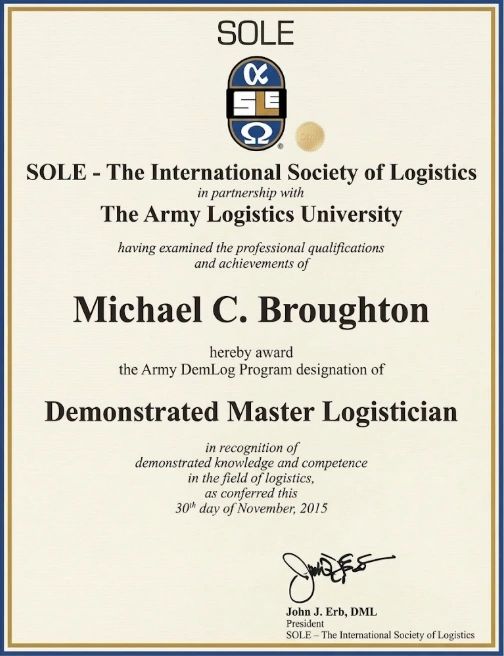
Demonstrated Master Logistician (DML) SOLE & U.S. Army Logistics University Executive-level professional designation certifying senior-level expertise in end-to-end supply chain strategy, global distribution, risk management, and enterprise resource planning.
The SOLE Emblem
The Meaning of the SOLE Emblem
The founding fathers of our Society were deliberate and very perceptive in their selection of a design to express SOLE's range of interest and purpose in a simple logo. They believed that the logo should have colors to express the applications of logistics elements and technology on the land, at sea, in the air and in the new frontiers of space with gold symbolizing the land; blue, the sea; white, the air; and black, the outer reaches of space.
These colors remind us of the "where" of logistics applications - the symbols of "alpha" at the top and "omega" at the bottom of the logo remind us of the "when" of logistics. These symbols highlight the requirement that logistics be considered and involved in the planning of every product or program from A to Z, from alpha to omega, or from the beginning to the end.
Quality First
Highest Tier Level: The Demonstrated Logistician Program consists of three progressive tiers: Demonstrated Logistician (DL), Demonstrated Senior Logistician (DSL), and Demonstrated Master Logistician (DML). The DML is the highest level of recognition awarded through this program.
Expert Care
Qualifications & Scope: Unlike typical academic certifications that rely on an exam, the DML evaluates a candidate's overall career record. It requires a rigorous mix of extensive professional practice in supply chain and logistics, military/functional education, enabler courses, and formal academic degrees.
Real Results
Career Impact: For U.S. Army officers, warrant officers, and enlisted personnel, this credential earns promotion points or official code entries on their Officer/Enlisted Record Briefs (ORB/ERB). In the defense and civilian job markets, it serves as professional proof of mastery in end-to-end military and commercial logistics enterprise management.


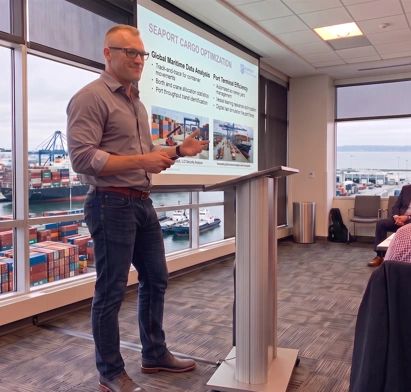


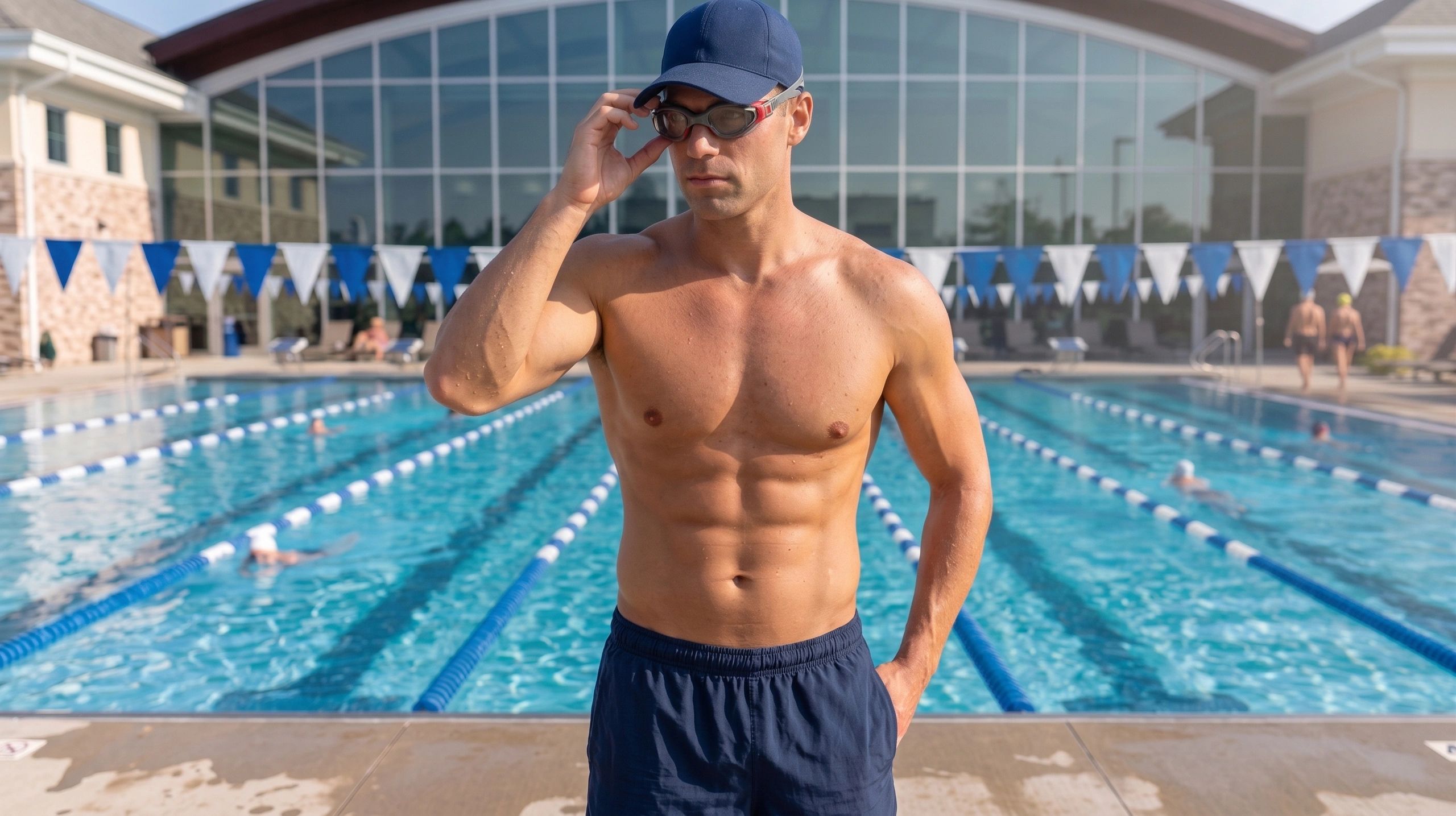
Michael Curtis and the Making of a Strategic Mind
History tends to remember individuals who move easily between worlds that are usually kept apart. These are people shaped as much by discipline as by curiosity, whose influence grows from a willingness to master both theory and execution.



Material Handling Equipment-Robotics The Industrial Engineering Term Coined by NIU Scholar Michael Curtis Broughton M.Eng.


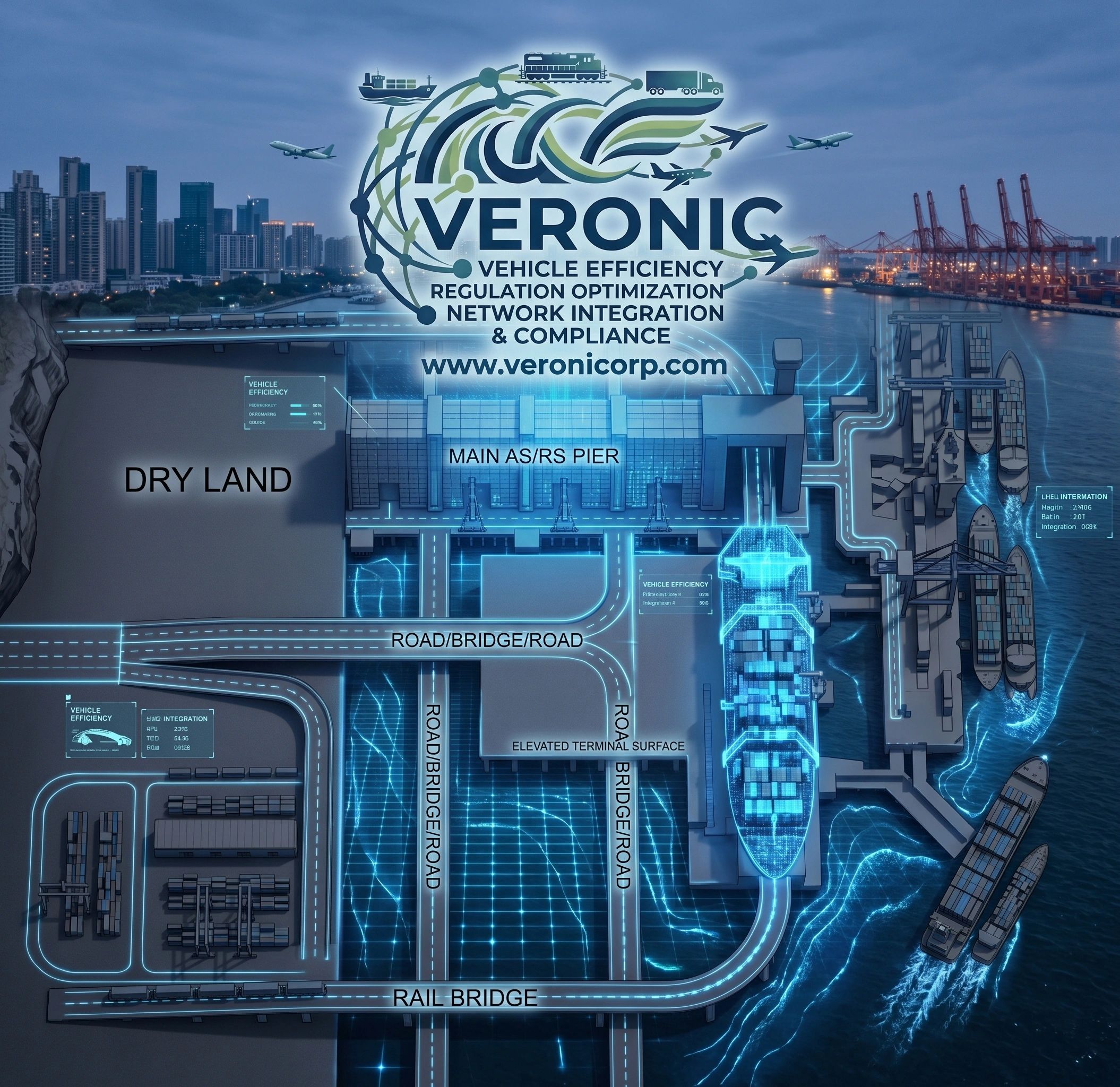
The Seaport Execution System
This book presents The Seaport Execution System and VERONIC as conceptual and operational frameworks for improving freight logistics through connected flow assets, governing hub execution, high-density indoor automated storage, and multi-modal network integration. It is intended for educational, strategic, and professional discussion.
Real Results



Quality First
6-and-Under Division (July 15, 1992): Named Division MVP after placing 1st in three events, posting times of 34.91s (25-yd freestyle), 40.89s (25-yd butterfly), and 32.83s (25-yd backstroke).
Expert Care
8-and-Under Division (July 25, 1993): Secured 1st place in the 25-yard breaststroke with a time of 27.75s.
Real Results
10-and-Under Division (August 10, 1996): Awarded Division MVP after recording a 34.3s in the 50-yard freestyle.
12-and-Under Division (January 5, 1997): Logged a 35.78s in the 50-yard butterfly as an extremely young 11-year-old (11 years 26 days), achieving a USA Swimming "B"
Motivational Time standard. In the 10-year-old age group he would have placed into Tier 1 AAAA Top -National bracket had the race been 26 days earlier. He officially retired from swimming 1 year later and never returned to the competitive lane.

